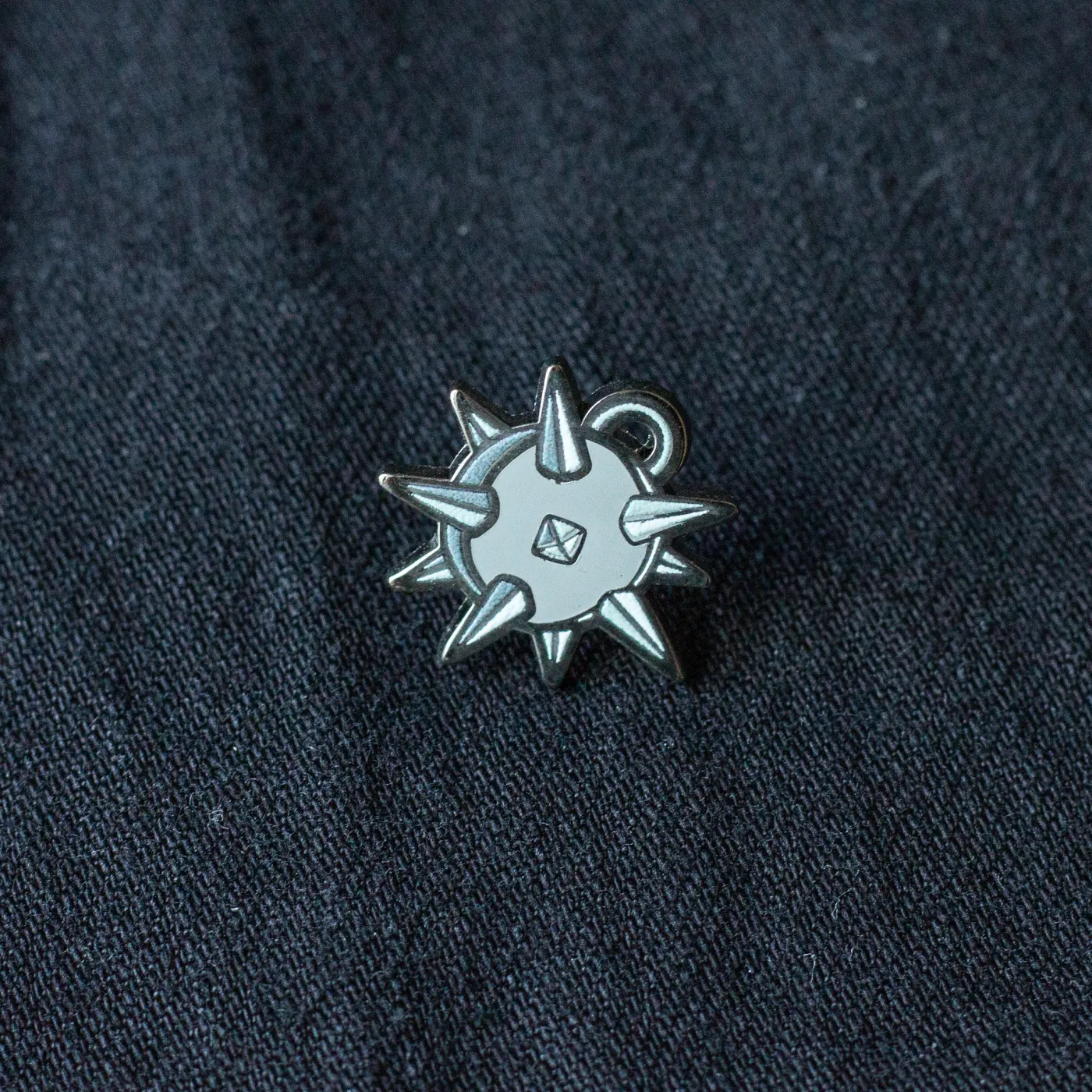
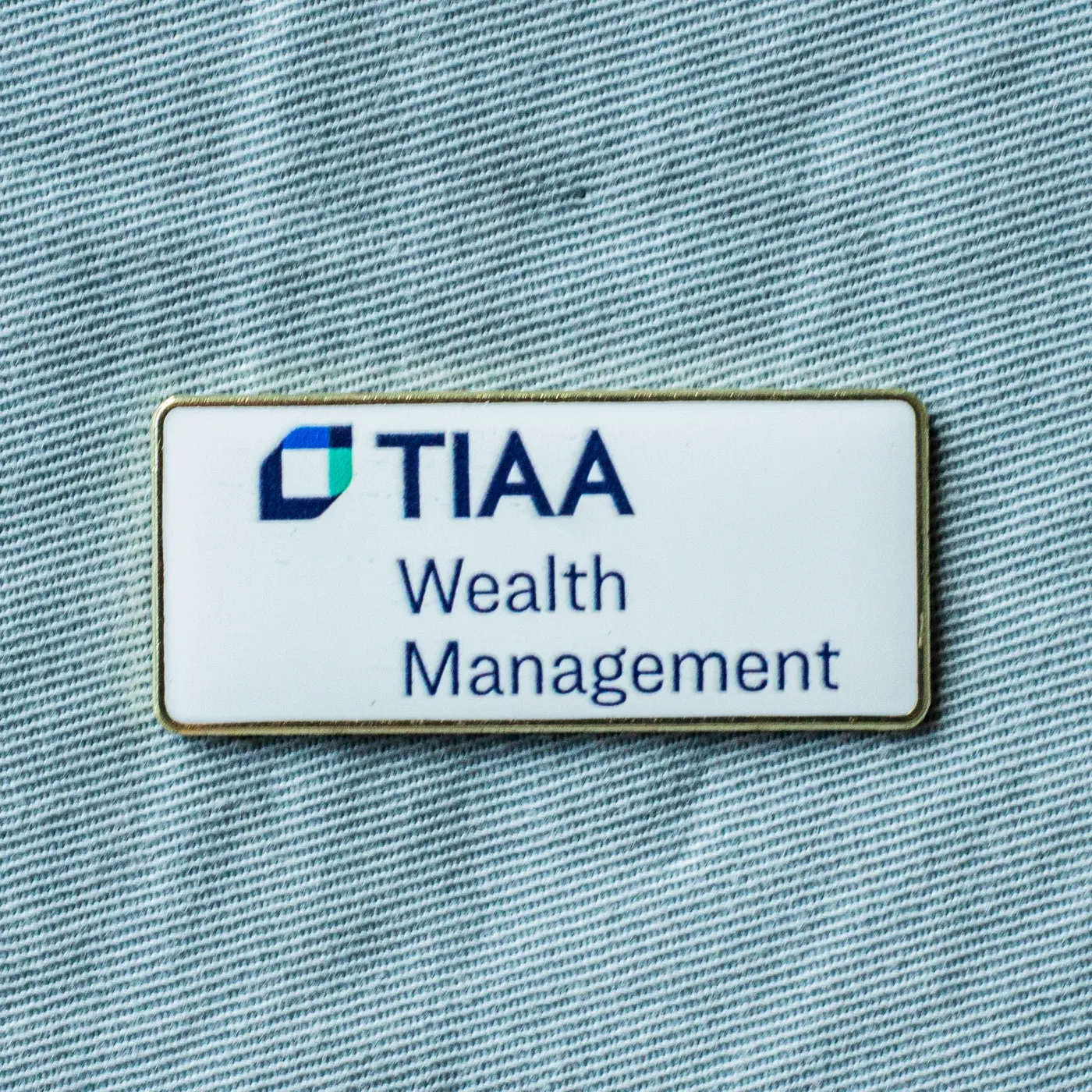
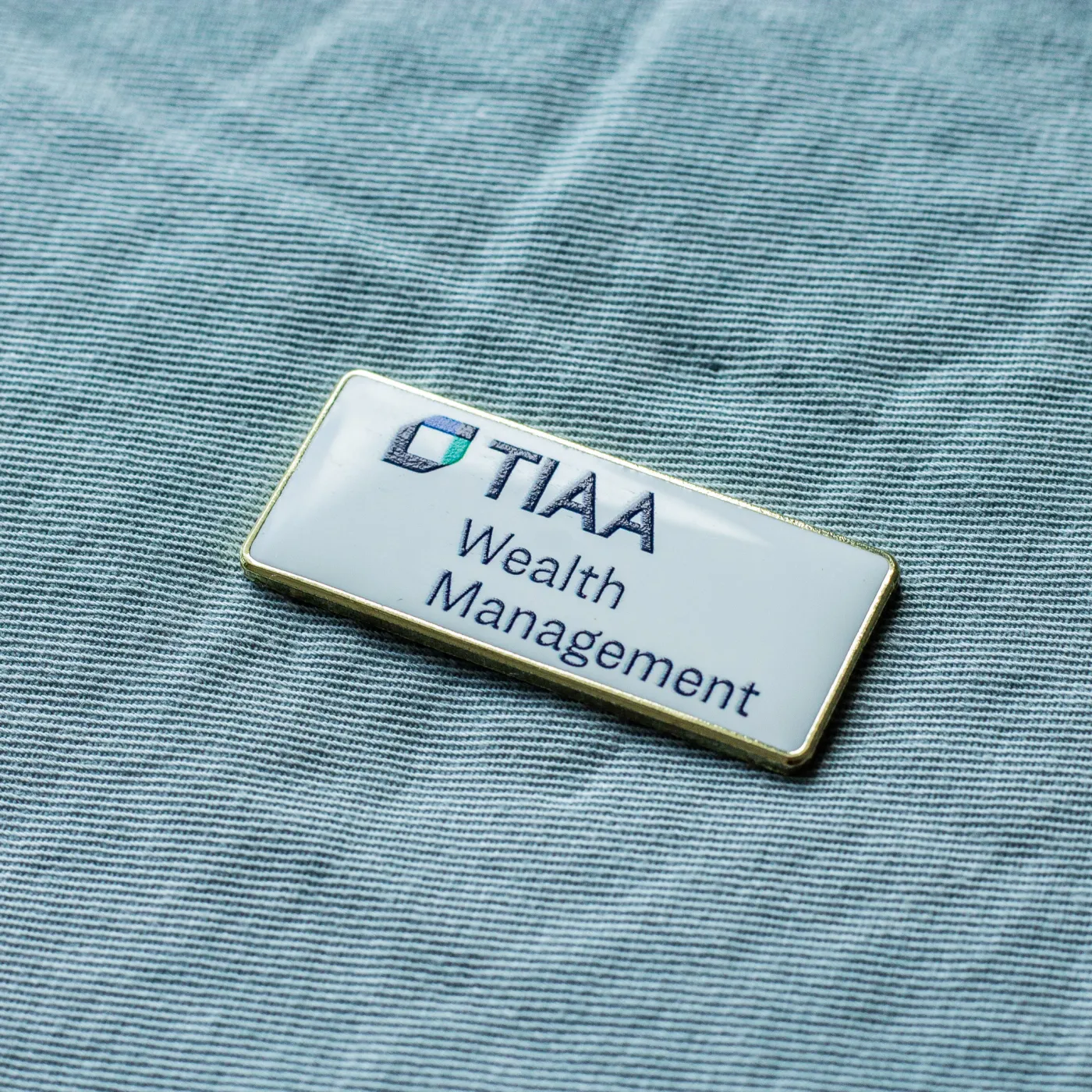
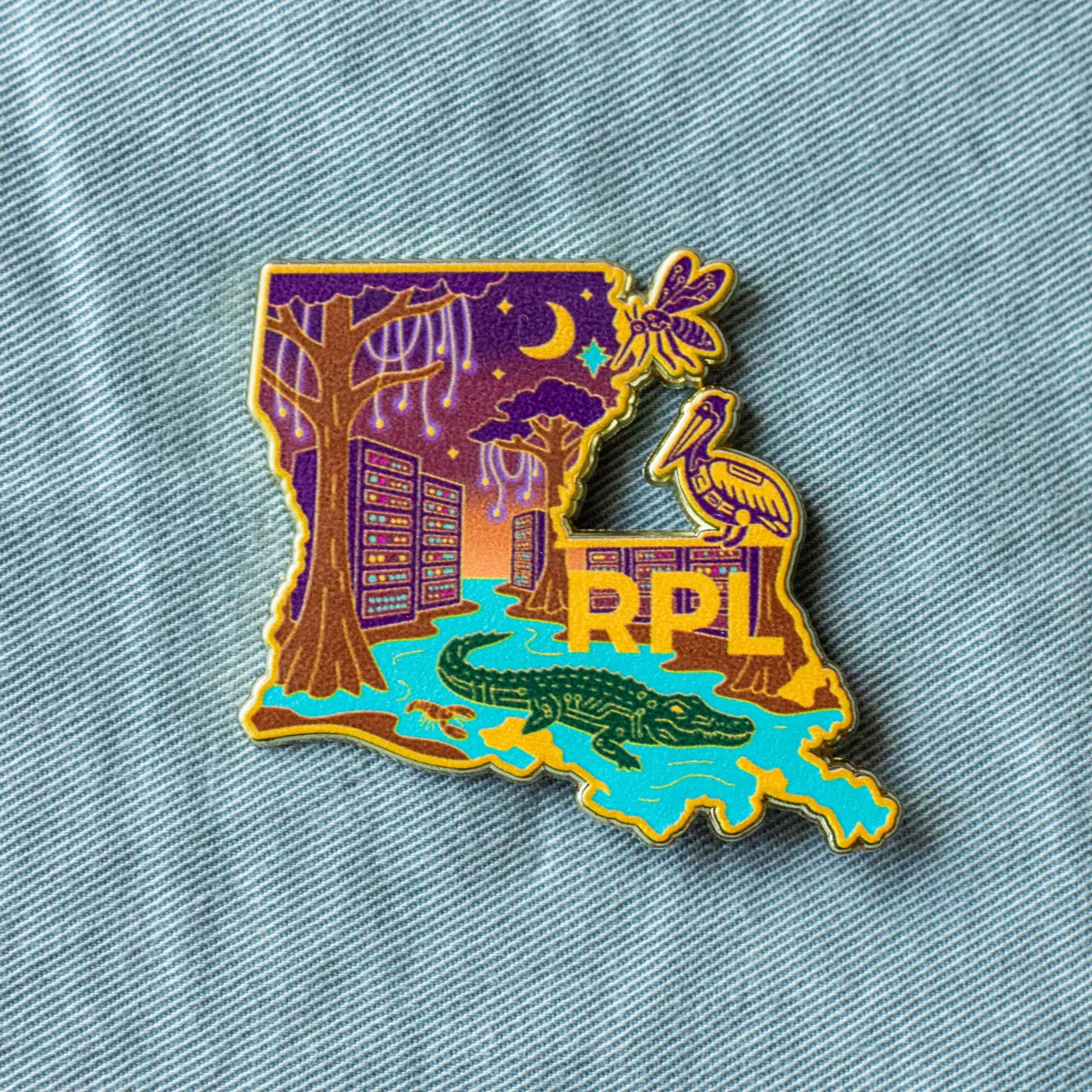
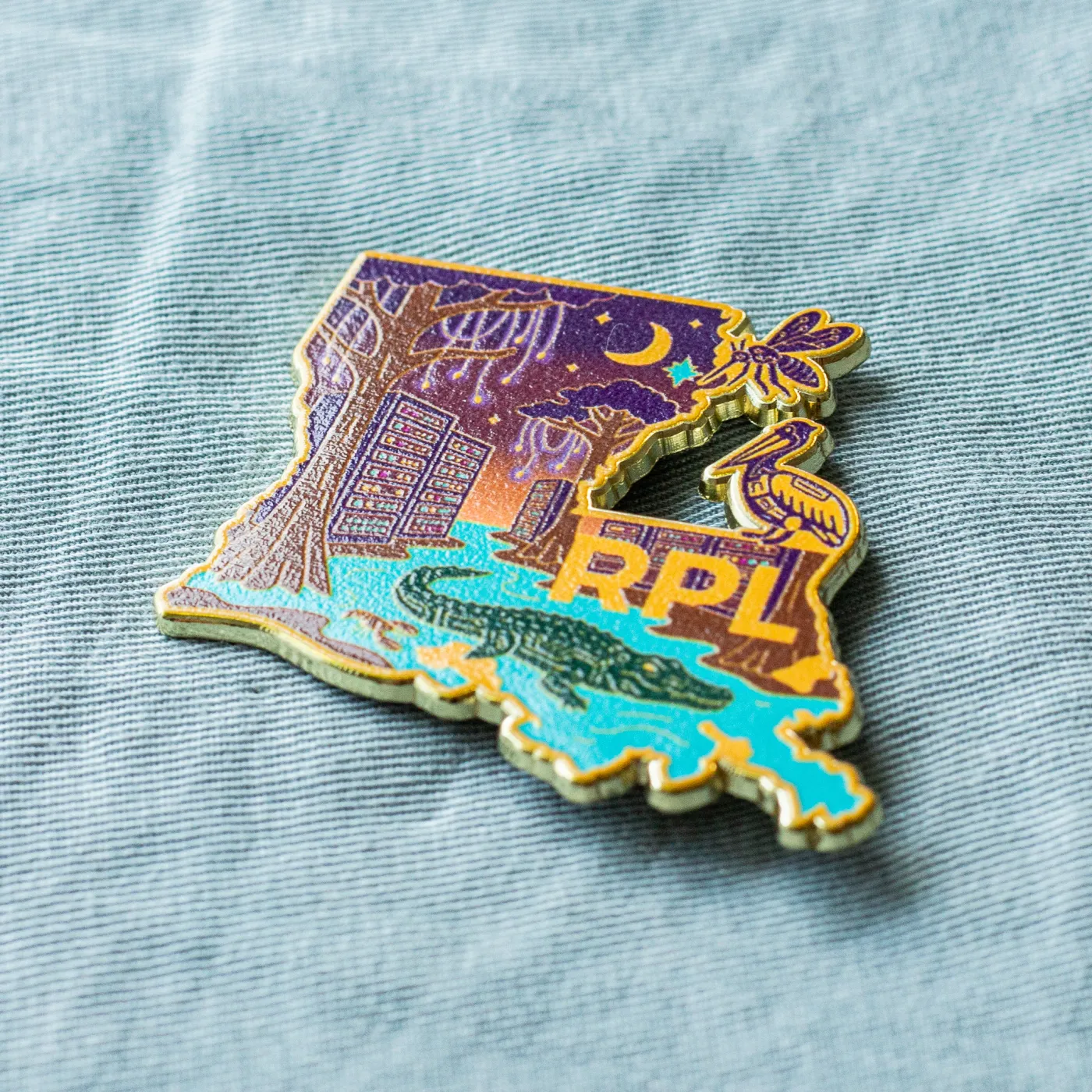
Digital print pins
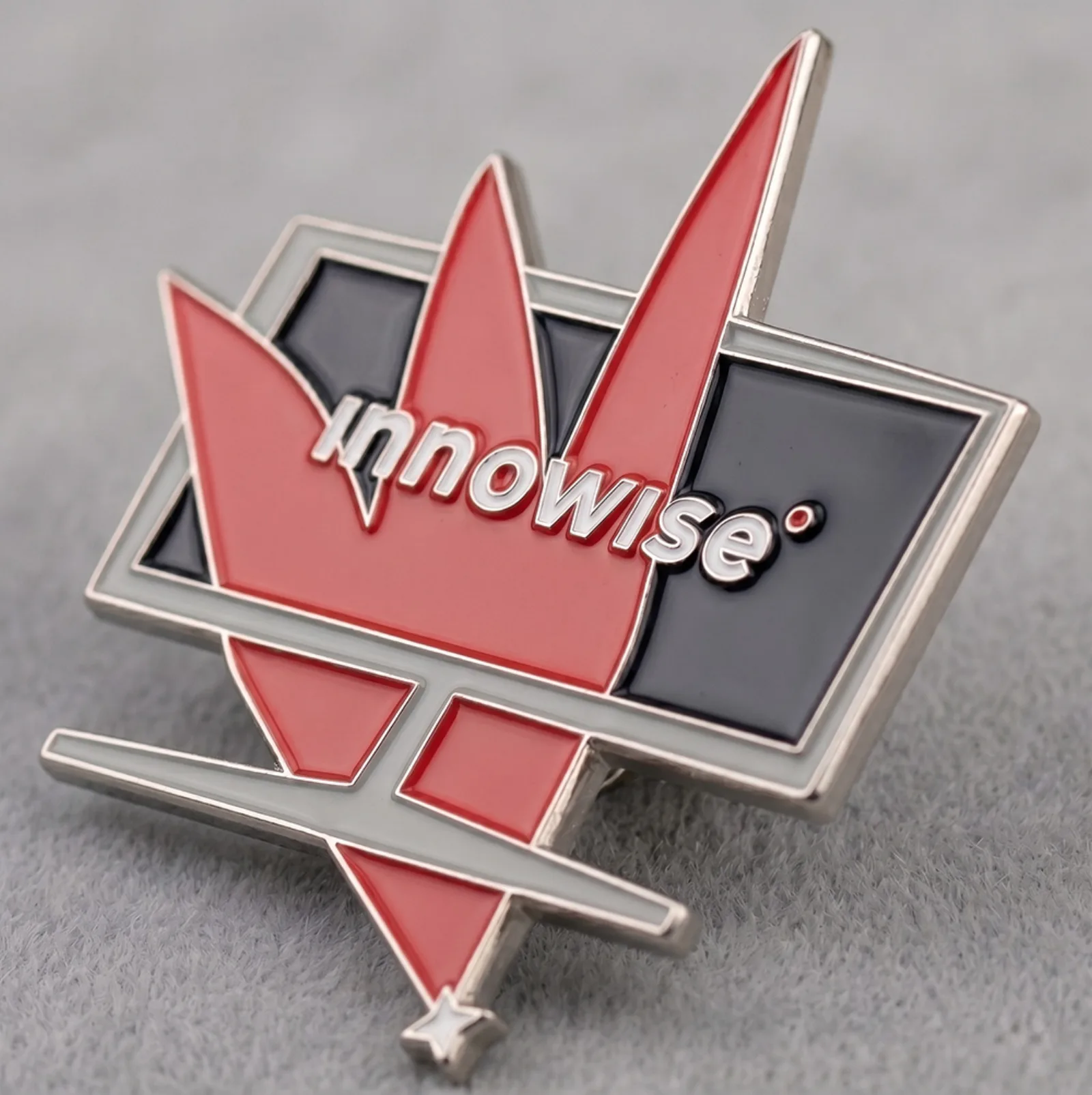
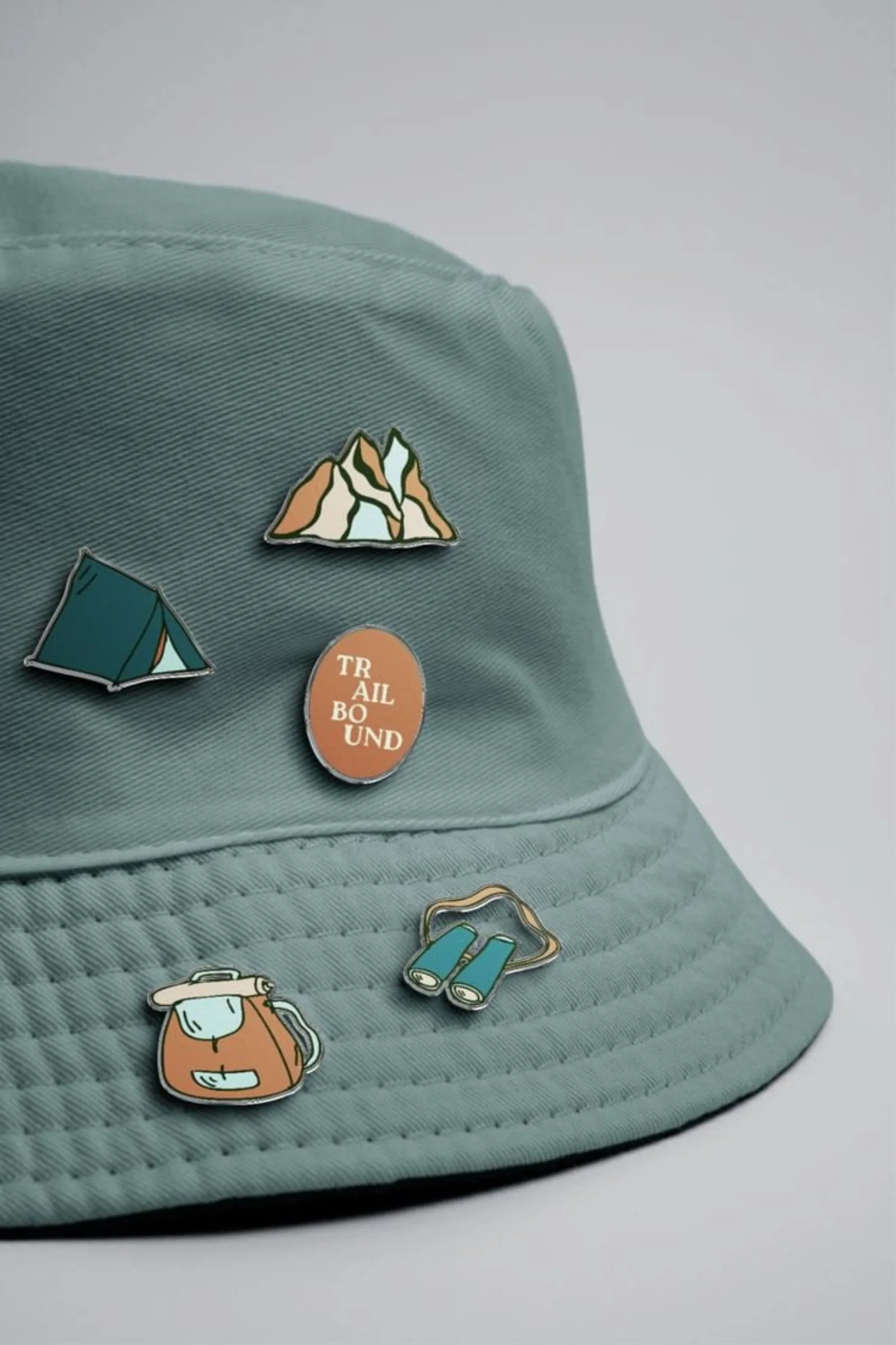
Full-colour UV digital printing applied directly onto metal or polymer. Perfect for complex logos, smooth gradients, photographs, fine detail and designs with many colours — with no surcharge for each extra shade. Optionally we cover the print with a protective epoxy resin dome (doming), which adds depth and protects the artwork. Graphic design and production setup included.
✓ Free design
✓ Quote within 24h
✓ From 50 pcs
✓ Free EU shipping
✓ 100% match guarantee
Individual quote
Price depends on size, quantity, finish and doming — we reply within 24h.
Net price, design and setup included.
✓ Production 25–35 business days from design approval
Quote
Free quote within 24h
We price every digital print pin project individually — the cost depends on size, quantity, finish and optional doming. Send us your logo, artwork or photo and within 24 business hours you'll receive a firm quote together with a free visualisation.
✓ No obligation
✓ Free visualisation
✓ Reply within 24h
Send enquiry
Enquiry
Send enquiry
We'll reply with a quote within 24 business hours.
⚡ We reply within 24h
Mon–Fri · 9:00–17:00 CET
Why Pins Republic?
🎨
Free design
Visualisation in 24h, unlimited revisions
⏱
Fast turnaround
25–35 business days from approval
🚚
EU shipping
Free delivery with tracking number
🧾
VAT invoice
For companies in Poland and across the EU
100% match guarantee with the approved design
We produce exactly what you approve in the final proof — colours, shape and finish.
Specification
When to choose digital print?
Choose digital print when…
✓ You have a complex logo with lots of detail and transitions
✓ The design has many colours, gradients or shadows
✓ You want to reproduce a photo or photorealistic artwork
✓ The design contains fine text or thin lines
✓ You need faster production for large quantities
Consider enamel when…
✓ You have a simple, vector design with clear outlines
✓ You use a few solid colours
✓ You want the tactile, raised texture of enamel
✓ You want the premium feel of metal and plating
Frequently asked questions
How is digital print different from enamel?
Enamel means filling recesses in the metal with colour — it gives a tactile texture but limits the number of colours and works best for simple, vector designs. UV digital printing is a full-colour print applied directly onto the surface, with no colour limit — it reproduces gradients, shadows, photos and the finest detail. If you're not sure which technology to choose, send us your design and we'll advise with the quote.
Can you reproduce a photo or gradient?
Yes — that's the main advantage of digital printing. We faithfully reproduce photos, smooth tonal transitions, shadows and photorealistic artwork in the full CMYK palette. For the best result we need a high-resolution file (min. 300 dpi at the target size).
Is the print durable? What does doming add?
UV print is cured and resistant to abrasion and fading. For extra protection and a “glass” effect we recommend doming — a clear epoxy resin dome that protects the artwork from scratches and gives the pin depth and a premium finish.
What is the minimum order?
The minimum order is 50 pieces. The unit price drops as the quantity grows, and digital printing is especially cost-effective for larger, multi-colour orders — at several hundred pieces the difference is significant.
How do I prepare the file for print?
Ideally we accept vector (AI, PDF, SVG) or high-resolution raster artwork (min. 300 dpi, PNG/JPG/TIFF). Colours are best supplied in CMYK. Don't have a production-ready file? Our designer will prepare a visualisation and set the artwork up for print free of charge — we only start production once you approve it.